
Firearms as Investments: A Unique and Tangible Asset Class
If you want to diversify your investments with something real, meaningful, and steeped in history, firearms make an interesting choice. Unlike stocks or bonds, guns offer a physical connection to history and craftsmanship. But investing in firearms means understanding what drives their value, how markets shift, and what risks come with owning them.
Whether you collect for passion or see firearms as part of your portfolio, this guide covers everything you need. From rarity and condition to legal rules and market trends, it’s all here.
Investing in firearms isn’t for everyone. But for those who do the research, it can turn into a rewarding and profitable venture.
Why Firearms Make Compelling Investments
Firearms stand apart from other collectibles and investments because they combine history, artistry, and utility. They appeal to people who want something tangible with a story. Unlike shares or cryptocurrencies, guns hold physical presence and cultural weight.
What Makes Firearms Special as Collectibles
Collectors love firearms not just for their monetary value, but for the craftsmanship and history they represent. They are like fine art or classic cars - objects that hold stories and skill. Collectors enjoy owning a piece of history they can hold, examine, and preserve.
Firearms can also protect wealth against inflation. In tough economic times, money in the bank may lose value, but a rare firearm tends to keep or grow its worth. This makes guns a kind of financial shield, especially during uncertainty.
For many, investing in firearms means more than money - it’s about passion, knowledge, and connection.
How Firearms Compare to Traditional Investments
Most people think of stocks or real estate when talking about investments. Firearms offer something different. Stocks can give higher returns, but they exist only on paper. Firearms are physical assets you can hold and enjoy.
Firearms often track inflation better than low-interest savings accounts. This means they don’t just keep up with rising prices, they can rise alongside or faster. Plus, firearms carry a cultural and historical value that adds another layer of interest beyond euros and cents.
This mix of personal enjoyment and potential financial gain makes firearms stand out.
What Drives the Value of Firearms?
To invest wisely, you must understand what makes a firearm valuable. Several key factors shape its worth:
Rarity and Limited Production
Rarity is the biggest value driver. Guns made in small batches or those no longer produced are highly prized. Scarcity pushes prices up, especially when certain models become banned or restricted.
Serial numbers can make a big difference. A gun with serial #0001 or the last one in a series (#4999 of 5000) often sells for more. Knowing the details of the firearm’s production run matters when assessing its value.
Historical firearms are linked to famous events, and people also see their value rise. Their supply is fixed, and collectors prize the stories they carry. Some go deep into researching a gun’s past, tracing former owners and battles the firearm might have seen. This background can push prices even higher.
Condition and Originality
Condition matters. Guns that keep their original parts, finish, and function command higher prices. Well-preserved firearms show craftsmanship and history at their finest.
Storage and care affect the condition. Moisture, rust, or damage have lower values. A collector who protects a gun well keeps its worth intact.
Originality is critical. A firearm that’s been altered, especially with aftermarket parts, loses value. Changes often signal the gun isn’t authentic anymore.
Fake or altered firearms are a problem. Some rifles get retrofitted with scopes to look like rare sniper models when they aren’t. Spotting such modifications takes experience. Buyers need to be cautious and learn the details to avoid overpaying.
Provenance and Historical Importance
A firearm’s documented ownership and history can boost value significantly. Guns linked to famous figures or historic battles carry more weight.
Historical significance adds status and price. For example, a rifle used in a famous war will draw more interest than a similar model without such ties.
Provenance must be carefully verified. False claims hurt both buyers and the market. Authentic history adds meaning and money to firearms.
Popular Culture’s Role
Movies, TV, and celebrities influence firearm demand. Guns used in iconic films or owned by stars often become more valuable. This boosts collector interest and market activity.
Cultural stories and public perceptions also shape trends. The firearms market isn’t just about specs and numbers; it moves with cultural tides.
Risks to Consider Before Investing in Firearms
Like any investment, firearms come with risks you must know. You cannot treat guns like stocks or real estate without paying attention to these challenges.
Market Swings Happen
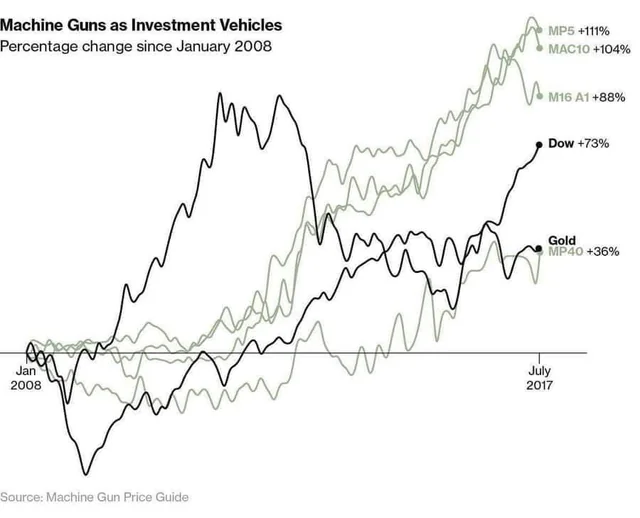
Firearm prices don’t stay steady. Political changes, new laws, or social shifts can cause sudden rises or drops in value. For example, stricter gun laws or a change in government policy can reduce demand overnight. On the other hand, uncertainty or fear of new restrictions can push prices up. You must watch these changes closely if you want to protect your investment.
Legal Rules Matter a Lot
Owning, transporting, and selling firearms in Malta means following strict laws. Mistakes can lead to heavy fines, loss of licence, or even jail time. You must stay updated on all regulations and comply fully. This means safe storage, proper paperwork, and knowing where and how you can legally move your guns. Breaking these rules can wipe out your investment gains and more.
Storage and Maintenance Aren’t Optional
A firearm left to rust or stored badly loses value fast. Keeping guns in a dry, clean place, using proper oils or grease, and handling them carefully is essential. Even small damage to the finish or mechanics can hurt prices. Maintenance protects your asset from wear, corrosion, or damage that turns a collectible into junk.
Fake or Misrepresented Guns Are a Real Risk
Some sellers pass off altered or fake firearms as rare originals. For example, rifles changed to look like sniper variants or modern additions that ruin originality. Without good knowledge or expert help, you might pay a high price for something less valuable or even worthless. Always get authentication from trusted experts or dealers before buying.
What’s Happening in the Firearms Investment Market?
The firearms investment market is growing steadily. More collectors and investors worldwide see guns as tangible assets that blend history, craftsmanship, and financial value. This growing interest pushes demand and prices higher, especially for rare and unique firearms.
Current Trends
Current trends show a rising pool of buyers competing for limited pieces. High-profile auctions set record prices, attracting new players. Unlike classic cars, firearms don’t need costly storage or upkeep, making them practical investments. Collectors focus more on niche categories like early military models or guns linked to famous events, adding value beyond just the firearm itself. Online marketplaces further widen access, increasing competition globally.
Appreciation Potential
Not every firearm gains value, but those that do tend to be rare, historic, or well-documented. Such guns appreciate steadily and act as a hedge during economic downturns. They provide a physical asset you control, which matters when markets get volatile. However, condition and provenance remain key to maintaining value.
Political and Social Effects
The market is sensitive to political and social shifts. Elections, new laws, or public debates on gun control often spark demand spikes or drops. Anniversaries of historic wars or renewed interest in military history can boost prices for related firearms. Regulatory changes, both in Malta and abroad, affect availability and investor confidence.
How to Start Investing in Firearms
If you want to start investing in firearms, you need a clear plan. The market rewards knowledge, patience, and careful choices. Jumping in without preparation risks losing money or ending up with the wrong guns.
Research Is Key
Before buying, learn everything you can about firearms: types, histories, and values. Reference books, online databases, and collector forums are invaluable resources. Pay close attention to auction results and market reports; these reveal what buyers actually pay.
Networking with experienced collectors and dealers opens doors to insider knowledge and opportunities you won’t find alone. These connections help you spot good deals and avoid common pitfalls.
Buying and Selling
Follow the basic rule: buy low, sell high. Look for firearms likely to grow in value. Auctions and trusted dealers offer reliable places to buy and sell.
Authentication is crucial. Always confirm the firearm’s originality and provenance before purchase. Fake or heavily modified guns can cost you dearly and damage your reputation.
Storage and Maintenance
Proper care preserves your investment. Store guns safely in dry conditions, and use oil or grease to protect metal parts from rust. Long-term storage may require heavier grease or special preservation techniques.
Keep all paperwork and historical documentation safe. Provenance papers increase value and buyer confidence when you sell.
Insurance is essential. Protect your collection from theft, damage, or loss. Make sure your storage methods meet Maltese legal requirements to avoid fines or licence problems.
Expanding Your Firearm Investment Portfolio
Investing in firearms isn’t just about buying guns. Diversifying with related items can improve your overall portfolio and reduce risk.
Accessories Matter
Scopes, magazines, grips, and cases can raise the value of firearms. Collectors often seek complete packages with original or rare accessories.
Historical accessories, like vintage ammunition boxes, branded cleaning kits, or factory packaging, also attract buyers. These add depth and uniqueness to collections. Investing in these items broadens your portfolio and cushions you against downturns in the firearm market.
Gun-Related Stocks
If you want exposure to the firearms market without owning physical guns, consider stocks in firearm manufacturers or ammunition companies.
These stocks reflect industry trends, demand, and regulations. They provide dividends and liquidity that physical assets cannot.
Research companies carefully. Look at financial health, market share, and how regulatory changes might affect profits. Combining stock investments with physical assets creates a balanced and flexible approach.
Final Thoughts
Firearms offer a rare mix of history, craftsmanship, and financial potential. They stand apart as physical assets you can hold, study, and enjoy while building value. But investing in guns isn’t a quick win - it takes research, patience, and respect for the rules.
Understanding what drives value, rarity, condition, provenance, and cultural significance helps you pick the right pieces. Staying aware of market trends and political shifts lets you time your moves smartly. Legal compliance and ethical awareness keep your investments safe and responsible.
Diversifying beyond guns with accessories or gun-related stocks adds stability to your portfolio. Proper storage, maintenance, and insurance protect your investment over time.
For those willing to learn and watch the market closely, firearms can be a rewarding addition to your financial strategy, offering personal satisfaction alongside potential gains.