
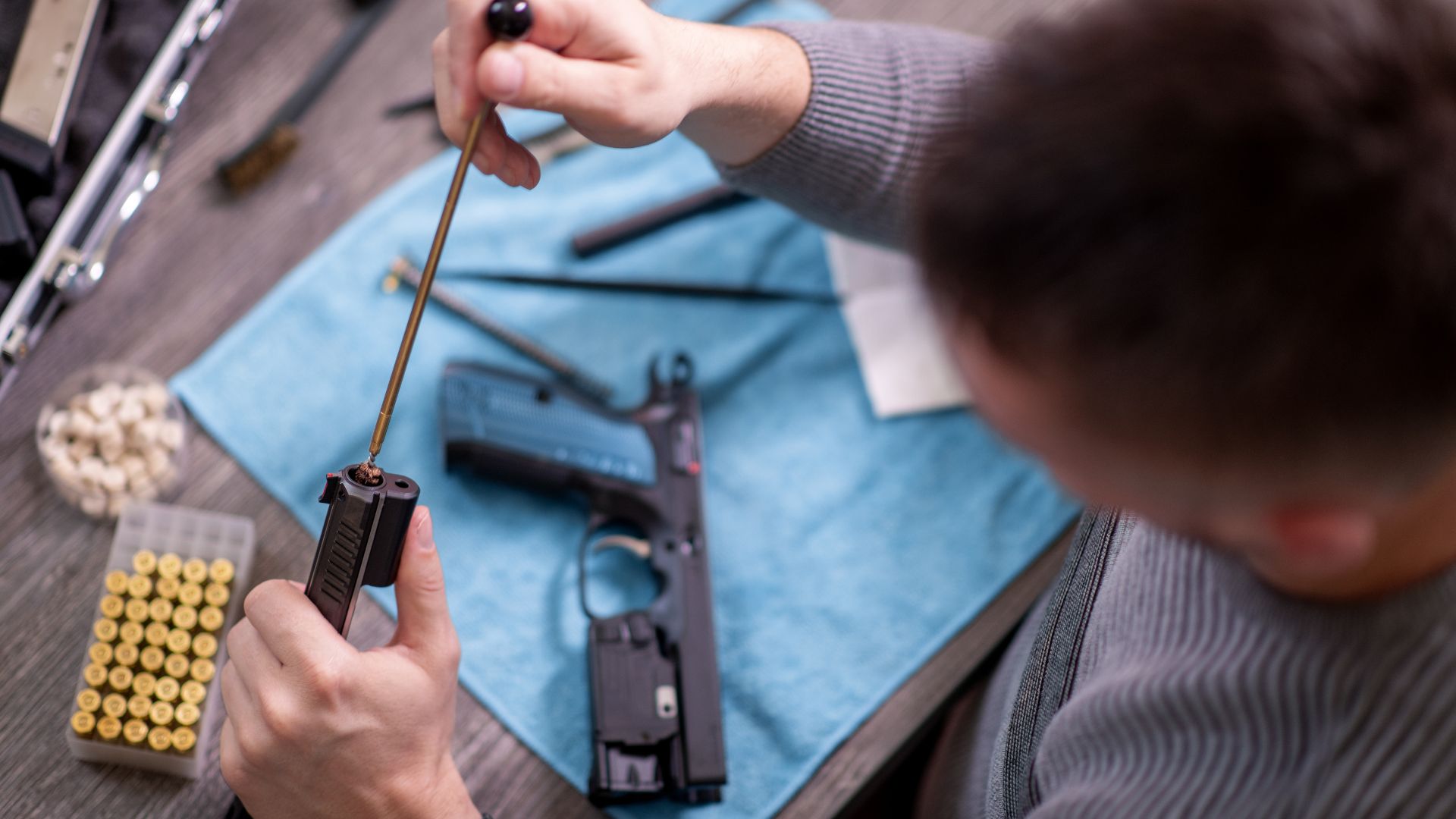
Expert Guide on Cleaning and Maintenance of Firearms
With the right care, firearms can last for many lifetimes. People who own guns in Malta know how important it is to take care of them. Guns that are cleaned and cared for regularly work better, last longer, and are safer and more reliable.
Here we will provide helpful guidance on everything from basic cleaning to advanced maintenance using readily available resources. Whether you are a novice or an expert, these pointers may help you safeguard your investment and train with greater assurance.
Why Regular Firearm Maintenance Matters
Regular maintenance keeps your firearm reliable and safe. Dirt, powder residue, and moisture build-up after use. Ignoring this leads to jams, misfires, and damage over time.
Ensures reliability: Clean guns cycle smoothly and fire consistently. You avoid embarrassing or dangerous malfunctions.
Extends lifespan: Prevent rust and wear by removing corrosive residue. Your firearm can last decades or even be passed down through generations.
Maintains accuracy: A clean barrel and smooth action keep bullet paths steady, which matters whether you hunt, shoot targets, or collect.
Prevents failures: Too much dirt can make things unsafe. Cleaning often lowers this risk.
Consider ammo type: Some rounds need extra care. For example, you need to clean corrosive steel-cased ammo like 7.62x39 for AKs or 7.62x54R for Mosin Nagants more thoroughly.
Avoids slamfires: Clean the bolts on some older rifles and other guns so they don't misfire since they don't have a firing pin spring.
Hold their Value: People who collect guns or might sell them later should know that guns that are well cared for hold their value better.
How Often Should You Clean Your Guns?
A well-maintained firearm reduces jams, misfires, and malfunctions, giving you reliable performance every time you train. How often you clean your gun depends on its make, model, and the ammunition you use.
Some models, like Glock 9mm pistols, need less frequent cleaning than precision .22 caliber pistols, requiring more attention to maintain accuracy. Always check your owner’s manual or ask your supplier for the best cleaning schedule for your specific firearm.
I clean my guns after every trip to the range, but that’s a personal choice, not a strict rule. Your cleaning routine can vary based on how often you shoot and what ammo you use.
Maintenance requirements also extends to ammunition, particularly as some rounds cause more wear and corrosion than others. For example, surplus steel-cased ammunition in 7.62x39 and 7.62x54R, common here in Malta for rifles like the AK and Mosin Nagant, is highly corrosive. To keep rust and damage from happening, clean your firearm quickly and thoroughly after using this ammo.
A dirty firearm can affect bullet trajectory, and fouling can lead to malfunctions. Also common in older models is the lack of a firing pin spring, which can lead to slamfires if the bolt assembly is not properly cleaned.
Essential Cleaning Tools and Products
The right tools and products are key to keeping your firearms clean and working smoothly. Maintenance is made easier and more effective with the right supplies.
Choosing the right tools and products is key to keeping your firearm clean and working smoothly. Having the right supplies makes maintenance easier and more effective.
Choosing the Right Chemicals
You can start with a bottle of Ballistol multipurpose oil. It works as a cleaner and lubricant, making it a great all-in-one choice.
If you want to get deeper into cleaning, consider four types of products:
Cleaning agents like solvents or degreasers dissolve stubborn residue inside your gun.
Barrel foam cleaners are highly recommended for breaking down fouling and buildup.
Lubricants reduce friction and wear on moving parts. Always choose firearm-specific lubricants, not household oils. They protect better and keep the right thickness even under changing conditions.
Lastly, keep a small bottle of cold-bluing agent. Over time, you’ll see worn or scratched blueing on some metal parts. While a thin layer of oil usually protects well, rebluing small or hard-to-reach parts prevents corrosion better, in my experience.
If your gun has a wooden stock, consider a gunstock oil and cleaner. Tung and linseed oil are popular choices for keeping wood healthy and protected.
Must-Have Tools for Firearm Cleaning
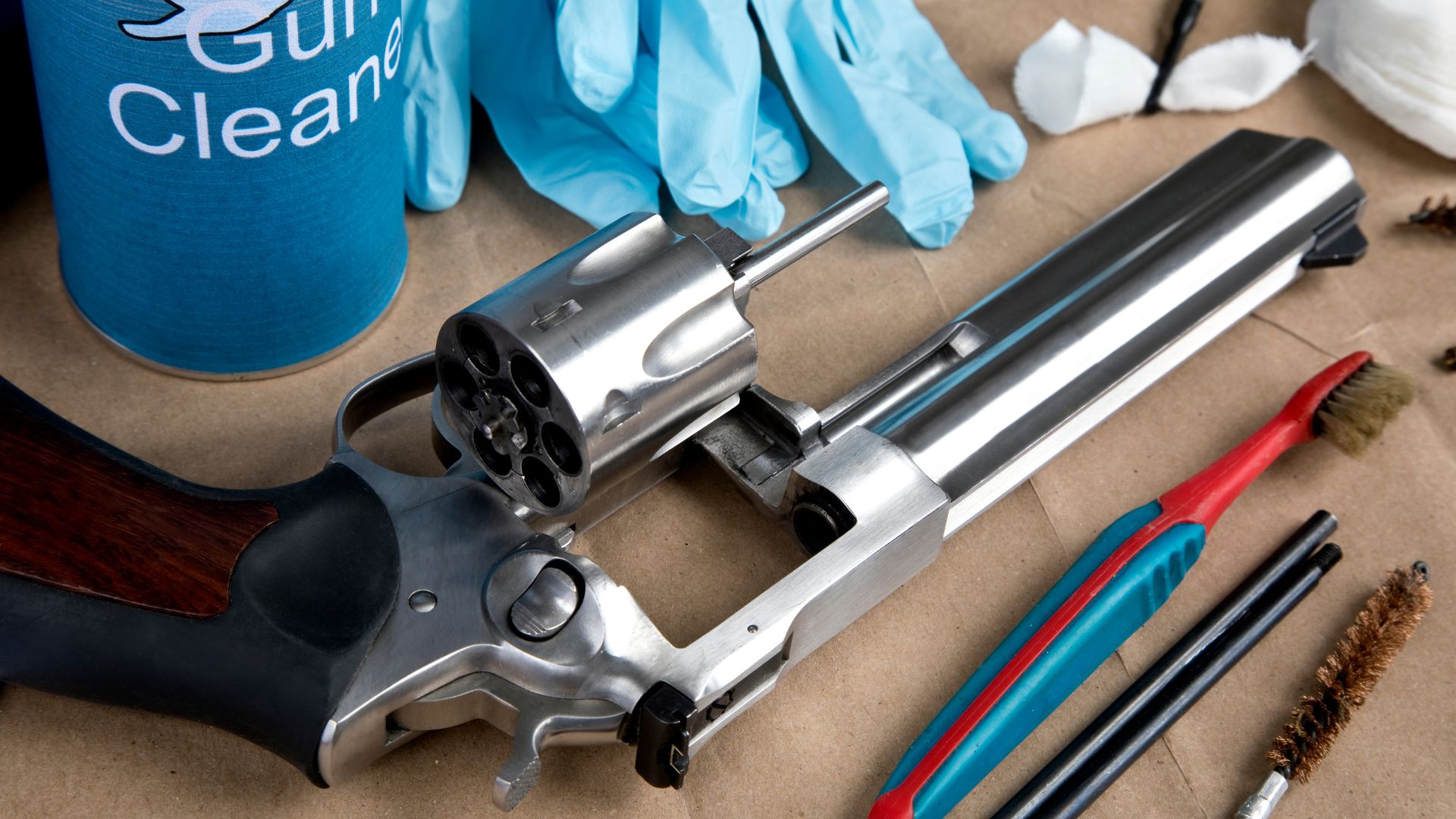
The right tools make all the difference. You’ll find many cleaning kits in different calibres, but here are the essentials for any gun:
Bore brushes match your barrel’s diameter for deep cleaning.
Boresnakes combine brush and cloth to clean barrels quickly and efficiently.
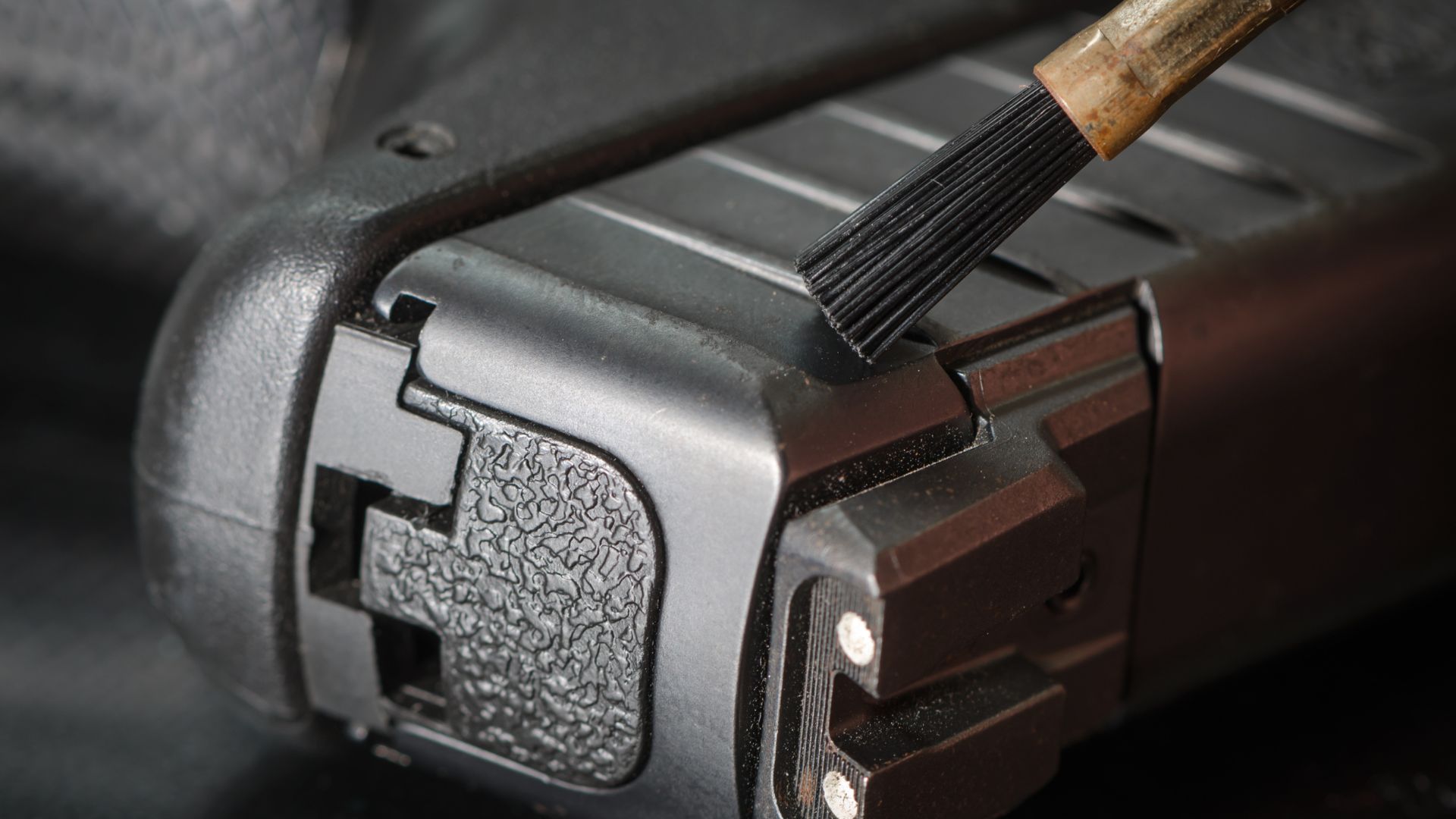
Standard brushes, even old toothbrushes, help remove larger debris from all parts. Avoid hard steel wire brushes as they scratch and damage metal.
Cleaning patches or cloths wipe away small particles after brushing. I cut up old cotton t-shirts for this purpose, which work perfectly.
Extension rods are mainly used to clean out the barrel, or any tricky spots deeper in the gun.
Keeping your firearm clean and well-performing will be an easy feat with a cleaning kit like this.
Guide to Basic Cleaning and Maintenance
Important procedures for maintaining and cleaning firearms are covered in this section. Every step counts to keep your firearm in top condition, from safety checks to disassembly and inspection.
Initial Safety Measures Before and After Cleaning
Safety is always the top priority. Before you start, make sure your firearm is completely unloaded. Perform a normal safety procedure (NSP) before disassembling or cleaning your gun.
Work in a well-lit and ventilated area to reduce risks and improve visibility. This makes the cleaning process safer and easier.
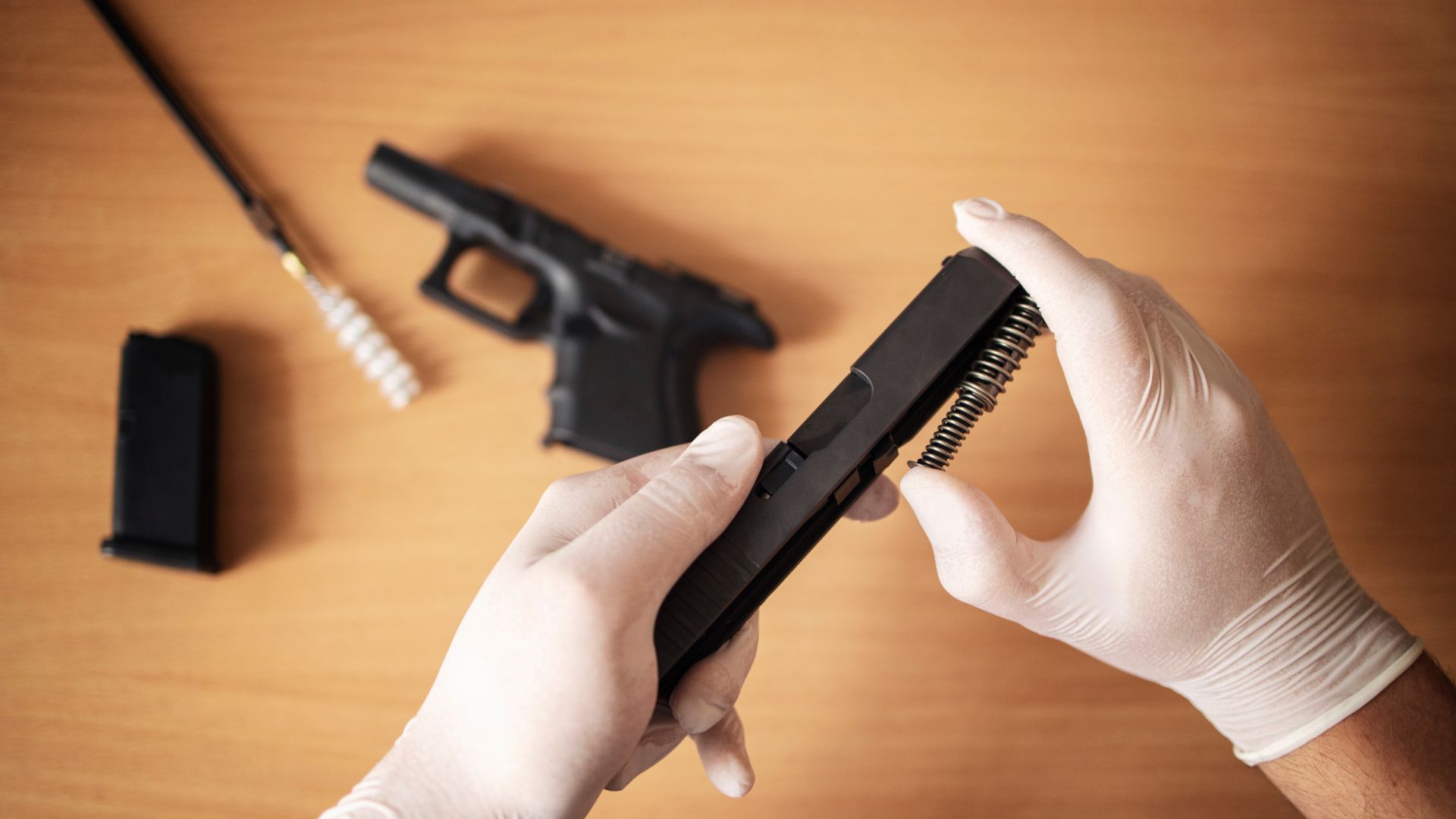
I recommend using disposable gloves to protect your skin from cleaning chemicals. Wearing eye protection for semi-automatic guns, especially if this is your first time disassembling that model, would be a good idea too. Springs under tension can be released suddenly, and small metal parts may fly off during disassembly.
Wash your hands thoroughly to remove any harmful substances you might have come into contact with whilst cleaning.
How to Disassemble and Inspect Your Firearm
A vital part of firearm maintenance is disassembly. Instructions for specific firearm models are found in your owner’s manual.
YouTube videos are a great place to start if you don’t have your firearm’s manual. ChatGPT also provides step-by-step guides. The World of Guns app also features many models and explains how they function.
Full disassembly is rarely necessary and should be avoided unless your manual specifies it. Disassembling more than needed can cause wear or loss of parts.
To keep the parts safe and remember the order in which they go together, I suggest putting them on a clean cloth from left to right. It also helps to take pictures when you disassemble the gun.
Cleaning Process Explained
It takes time and attention to detail to clean a firearm properly. Every step adds to the accuracy, safety, and reliability of your firearm. Here's a simple guide to help you clean every time.
Cleaning the Barrel and Other Key Parts
Starting with the barrel, spray some foaming barrel cleaner inside and let it sit for a few minutes. This softens and dissolves hardened carbon and other buildup.
Afterward, push a small cloth patch through the barrel to remove residue and foam.
Next, use a bore brush or bore snake to clean the barrel thoroughly. These tools exactly fit your barrel’s diameter, so pick the right size for your gun.
A brush helps loosen debris for other parts. To break down tough carbon deposits, apply a solvent.
Wipe all parts with an oil-moistened patch or rag until no residue remains after brushing.
This careful cleaning removes fouling, such as powder, plastic, lead, and copper residues. These deposits can harm your firearm’s accuracy and reliability if left unattended.
Proper Lubrication and Protection Techniques
Lubrication keeps your firearm running smoothly and extends its life.
Over-oiling is a common mistake that leads to spray and extra smoke during firing. It also attracts dirt and debris, which leads to more wear.
Each gun has its own lubrication needs. Apply a light coat of oil to moving parts only. Less is more here. I recommend Ballistol for lubrication and protection.
A thin layer of oil on exposed metal surfaces prevents rust and corrosion, which is especially important in Malta’s humid environment.
Reassembling and Testing Your Firearm
Once maintenance is done, make sure the parts are aligned, and put your firearm back together. If something doesn’t fit or seems wrong, take it apart and check again.
After putting it together, work the action a few times to spread the lubricant evenly. Pay attention to any unusual or grinding noises. If you used patches and cloth to clean, ensure the barrel is clear.
Make sure an empty magazine goes back into the gun without any problems. You can also dry-fire the gun (if it's safe for your model) to test it before putting it away.
When to Seek Professional Gunsmithing Help
When basic cleaning isn’t enough, a gunsmith should be your first contact. Physical damage and malfunctions should be dealt with by a professional, as they have specialized tools and skills gained over years of experience. Definitely do not make any unauthorized modifications without proper training or supervision.
A qualified gunsmith ensures your firearm stays safe and works efficiently when facing advanced problems.
Best Practices for Firearm Storage and Environmental Protection
Proper storage is just as important as cleaning when maintaining firearms. How you store your guns affects their condition, reliability, and value over time. Here’s what every Maltese gun owner should know to protect their firearms from the local environment.
Creating Ideal Storage Conditions for Your Firearm
Humidity and dust are some of Malta's biggest challenges. Beautiful, rare guns often develop corrosion simply because they aren’t oiled or stored correctly. Many owners don’t even notice rust forming until it’s serious.
A thin layer of oil on all metal surfaces keeps moisture away. It’s a simple but effective way to prevent humidity from damaging your firearm.
Another mistake is hanging or displaying guns on walls. In Malta, most walls are limestone and release humidity, which promotes rust. Plus, the law requires, amongst other things, that guns be stored in "such a way that it shall not fall into the hands of any other person".So, wall displays can be considered illegal.
Good storage is not just about function. It also protects your firearm’s value as an investment.
Using Desiccants and Dehumidifiers for Firearm Protection
Desiccant packets absorb excess humidity inside your gun safe or cabinet on the cheap.
A dehumidifier keeps storage areas consistently dry for even better control. This is especially useful in Malta’s climate.
Adding desiccants or a dehumidifier is a smart move to protect your guns from rust and corrosion in the long run.
Common Firearm Maintenance Mistakes and How to Avoid Them
When taking care of a gun, it's important to find the right balance. It's obviously wrong to allow your gun to break down, but over-maintaining could lead to issues too. You can keep your gun in good working order and avoid damage by knowing what to do, as well as what not to do.
Over-Cleaning and Using Abrasive Tools
Cleaning your gun too much can wear it down just as much as not cleaning it at all. Over time, putting too much pressure or scrubbing too much can damage parts.
Stay away from abrasive tools or chemicals that are so strong that they can remove protective finishes or scratch metal surfaces. Instead, use cleaning methods that are gentle but work. Being patient pays off.
You should only use tools that are made specifically for firearms, and you should check your brushes and patches often and replace them when they wear out. Taking care of your gun in this way keeps it in good shape and running smoothly.
Skipping Lubrication
Always choose and apply gun-specific lubricants for safe and smooth operation.
Using the wrong oil can damage parts and make them work poorly. Keep in mind that less is more, so a thin coat on moving parts is all you need.
Legal Implications of Poor Maintenance
If you neglect your firearm, you could have legal issues, as it could malfunction and put you and others in danger.
Keeping your gun clean and in good condition isn't just about keeping it working and keeping its value. As a licensed owner, it is your responsibility to stay safe and in compliance.
Conclusion
Cleaning and maintaining firearms is more than a routine. It’s essential for safety, performance, and longevity. Regular upkeep guards against jams, misfires, and malfunctions that could threaten your safety.
Spending time on maintenance does more than keep your gun working well. It extends its lifespan and helps maintain or even increase its value. On the other hand, neglect leads to fouling, loss of accuracy, and safety risks.
Using the right cleaning agents, lubricants, and protectants ensures smooth operation and protects metal parts from rust and corrosion. Tools like bore brushes, cleaning patches, and extension rods help you reach every part thoroughly.
Storage matters just as much. Keep firearms in cool, dry places and use desiccants or dehumidifiers to control moisture. Following these steps keeps your guns in great shape and ready whenever you want to head to the range.